Custom Solutions for Your Unique Business Challenges Without Burning Endless Billable Hours.

Custom Solutions for Your Unique Business Challenges Without Burning Endless Billable Hours.

At Value-Centered Solutions, we're dedicated to creating lasting solutions.

No, we don’t over-engineer problems then unravel them through as many billable hours as possible.

We listen, we map out practical steps, and we find lean solutions. Then, we teach you how to fish.

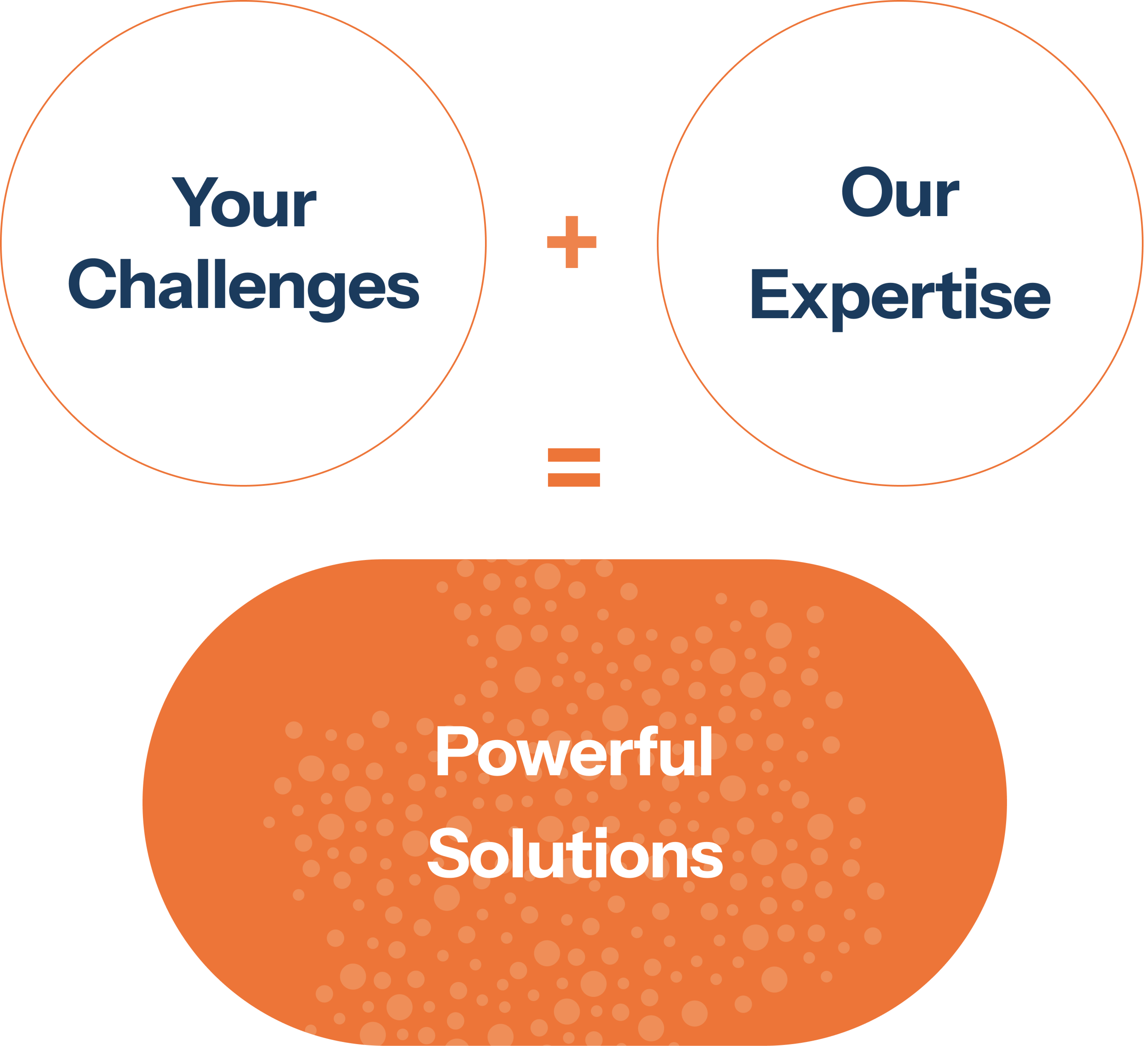

Operational inefficiencies, strategic misalignment, and evolving market dynamics can create a maze of hurdles that hinder company success.

Don’t shackle yourself to a firm that invents and resolves problems continuously. We empower you and your team to replicate practical solutions independently from the minute we walk out the door.
Our Solutions
We Turn Obstacles Into Catalysts for Improvement.



Why choose Value-Centered Solutions?
Tangible Results
We deliver measurable outcomes — not just ideas. Every solution drives real performance and revenue gains you can see.
Adaptability and Flexibility
No two businesses are alike. Our strategies flex to your goals, culture, and challenges for lasting, practical results.
Wide-Ranging Expertise
With decades of cross-industry experience, we bring proven insights that lead to smart, custom solutions built for your business.
Say hello to streamlined business operations.
Over the past decade, dozens of companies have experienced the shift from static to dynamic after partnering with us on their journey. Here are a few of their stories:
"Great Coaching and Training"
“VCS has amazing coaches, support, and project implementation. We would love to continue working with their team."
Corrie Sankey & Myrna Munoz
Kaiser Permanente
Corrie Sankey &
Myrna Munoz
Kaiser Permanente, Riverside
"Professional Executive Coaching"
"We would not have been able to complete our project without VCS!"
Damon Wright
Ingram Micro
Damon Wright
Ingram Micro
"Great Partner and Extension to Our Team"
"VCS understands how to unlock the potential of leaders within an organization and is committed to deeply understanding the mission and needs of their clients."
Heather Bourgeois
Louisiana Key Academy

Heather Bourgeois
Louisiana Key Academy
Explore what Value-Centered Solutions can do for your business.
Explore our range of services designed to drive growth, define brand, and build purpose.

Coaching and Consulting
We help leaders and teams navigate change with confidence. From talent management to growth strategy, our consulting services empower your organization to adapt, align, and achieve measurable success.
Training and Development
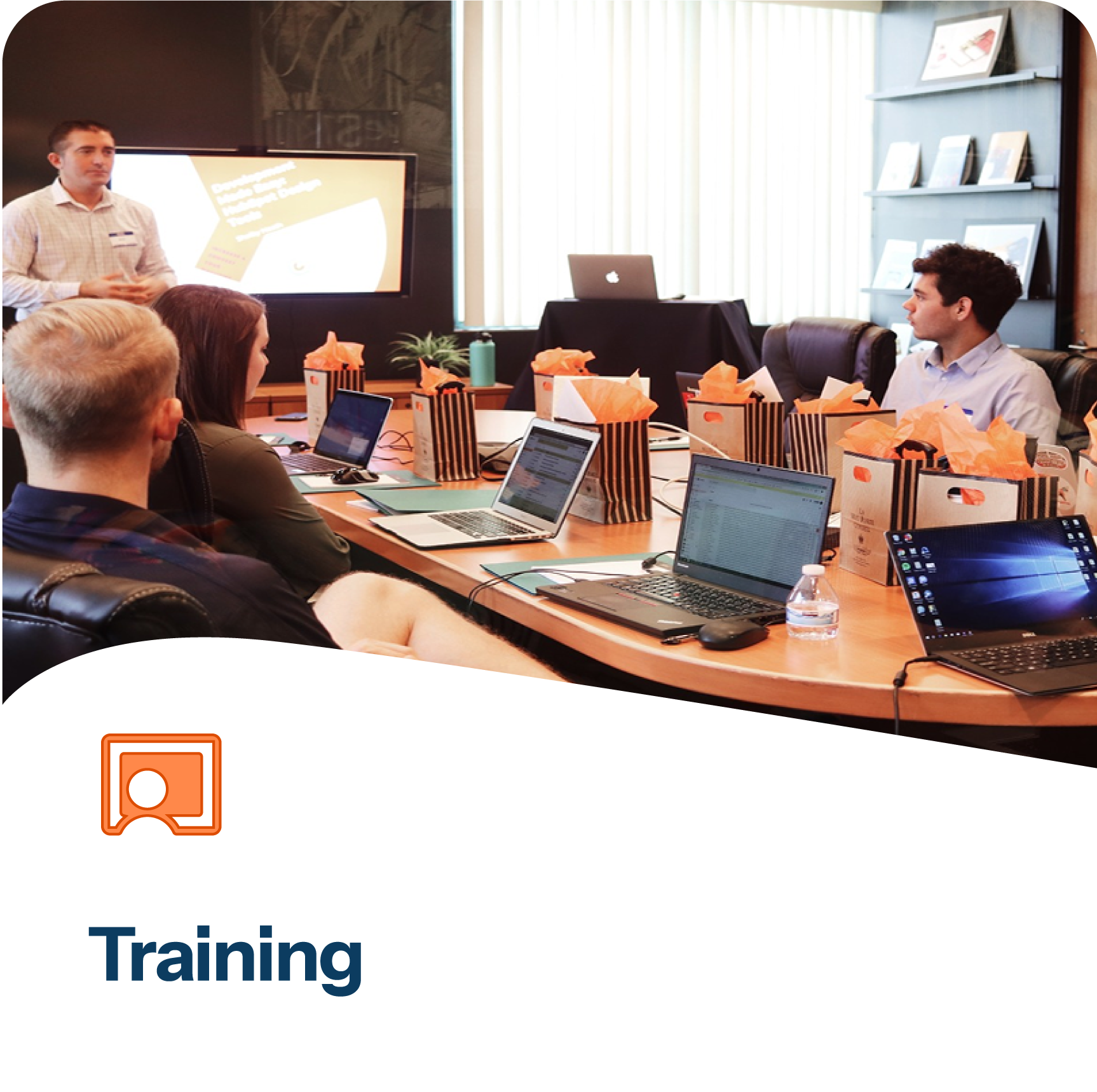
Our programs turn potential into performance. We design customized learning experiences that build leadership, strengthen collaboration, and prepare your teams to thrive in a fast-changing world.
Business Services
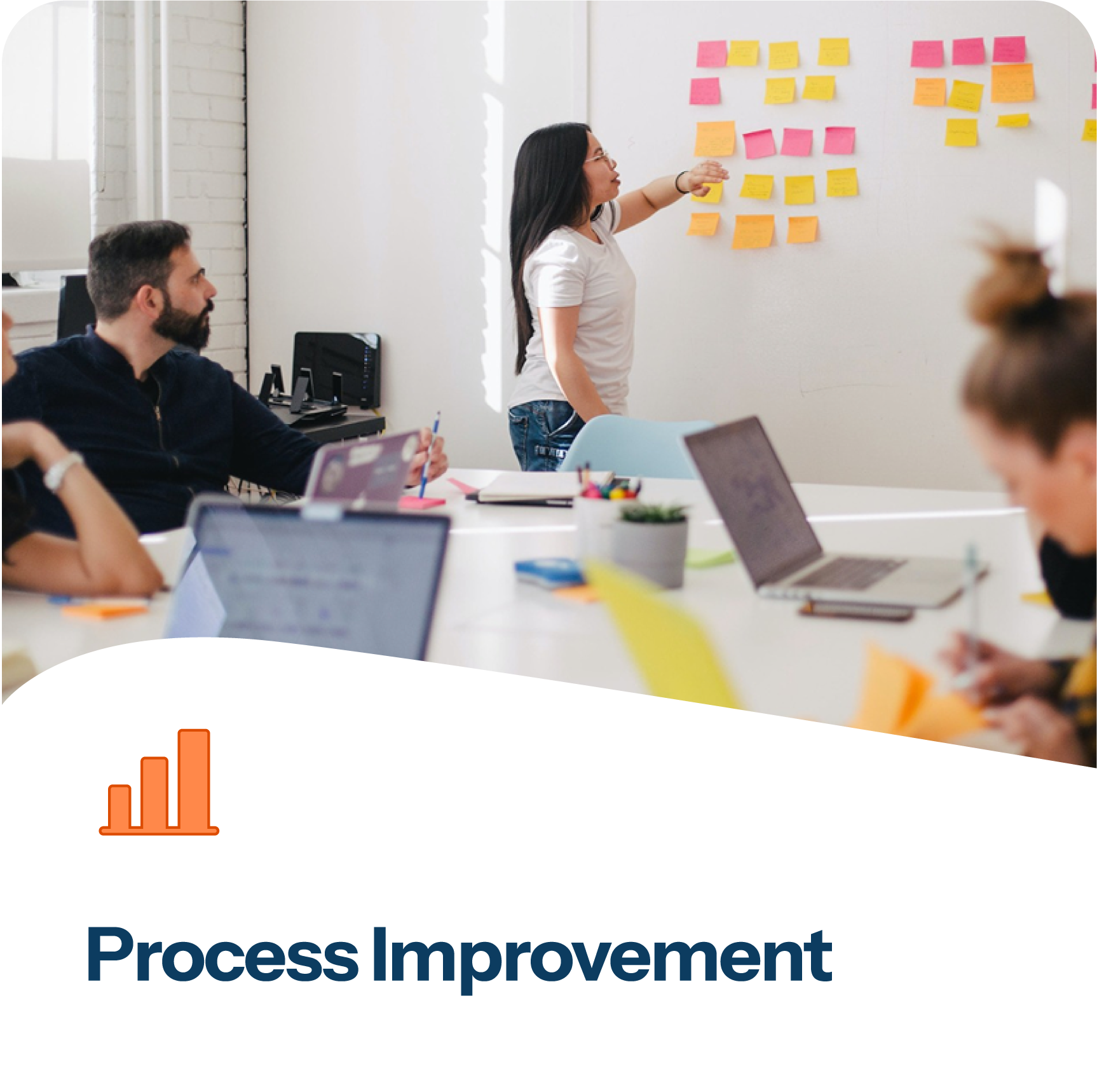
Streamline your operations and scale with clarity. We deliver process improvements, strategic planning, and data-backed insights that keep your business agile and future-ready.
An organization rooted in sincerity and purpose.
Our work at Value-Centered Solutions is based on the value-centered methodology of our CEO and Founder, Michael E. Parker. Seeing how the principles of lean management could be used to improve processes in the manufacturing industry, Michael brought his experience to the service industry.
Leading more than ten companies to unprecedented growth, Michael expanded his new management philosophy into an approach he called “value-centered management.” This philosophy is the driving force behind our success, with a deep-rooted commitment to friendship, respect, and unity.